

Videos
Search >>
California Proposition 65 (Prop 65), the Safe Drinking Water and Toxic Enforcement Act of 1986, remains one of the most influential chemical disclosure regulations impacting food and dietary supplements in the U.S. While it is California law, many brands apply the requirements nationwide to ensure consistency and minimize risk.
As regulatory expectations increase and competition intensifies across categories, brands need a certification partner that supports both scientific rigor and commercial success. The Eurofins Assurance program is designed to meet this need by helping companies move beyond basic compliance toward strategic advantage.
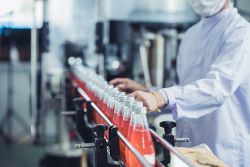
For co-packers, efficiency is everything. Commercial manufacturing lines are designed to manufacture products—not develop them. Eurofins Product Development & Innovation (EPDI) serves as a development partner for co-packers by taking on the early-stage work before commercialization. Keep reading to learn the benefits of the EPDI's process.
Today's sports nutrition consumers are more educated and discerning than ever before. They want confidence that supplements contain the ingredients listed on the label, deliver the stated strength, are manufactured under robust quality systems, and are free from substances prohibited in sport.

A global regulatory shift in April 2026 introduced new complexity for manufacturers working with Ashwagandha. India’s Ministry of AYUSH formally enforced a “root-only” requirement, prohibiting the use of leaves and other plant parts across product categories including supplements and functional foods.

Standard sugar analyses don’t always tell the full story, especially when isomaltose is present. Eurofins Food Chemistry Testing Madison, Inc. addresses this gap by measuring isomaltose as part of your product’s sugar profile. Why is this testing important? Keep reading to find out.

Liquid multivitamin supplements are growing in popularity, offering flexibility, convenience, and consumer-friendly dosing. However, testing liquid multivitamins presents significant analytical challenges due to their complex composition and the inherent instability of many vitamins.

Testing gummy supplements require specialized expertise, advanced preparation techniques, and a deep understanding of matrix effects. This is where the team at Eurofins Supplement & OTC in Madison, WI demonstrates proven leadership.

Acai (Euterpe oleracea) is widely used in dietary supplements and functional foods for its antioxidant-rich profile and its role in supporting healthy aging and overall wellness. As demand increases, so does the risk of adulteration. Learn how Eurofins can protect your product integrity and brand claims.
The recent FDA Dietary Supplement Innovation Public Meeting marks a pivotal moment for our industry. The agency is reexamining foundational concepts, including how dietary ingredients are defined and regulated.
Let's Connect
We deliver quality in all of our work, providing accurate results on time.


