

Videos
Search >>
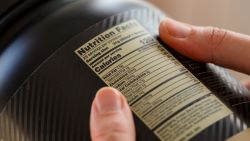
Serving size errors are among the most common FDA labeling violations. FDA requirements related to RACCs, household measures, dual-column labeling, and multi-component foods are often misunderstood or misapplied. Learn how Eurofins Nutrition Analysis Center is helping with this issue.
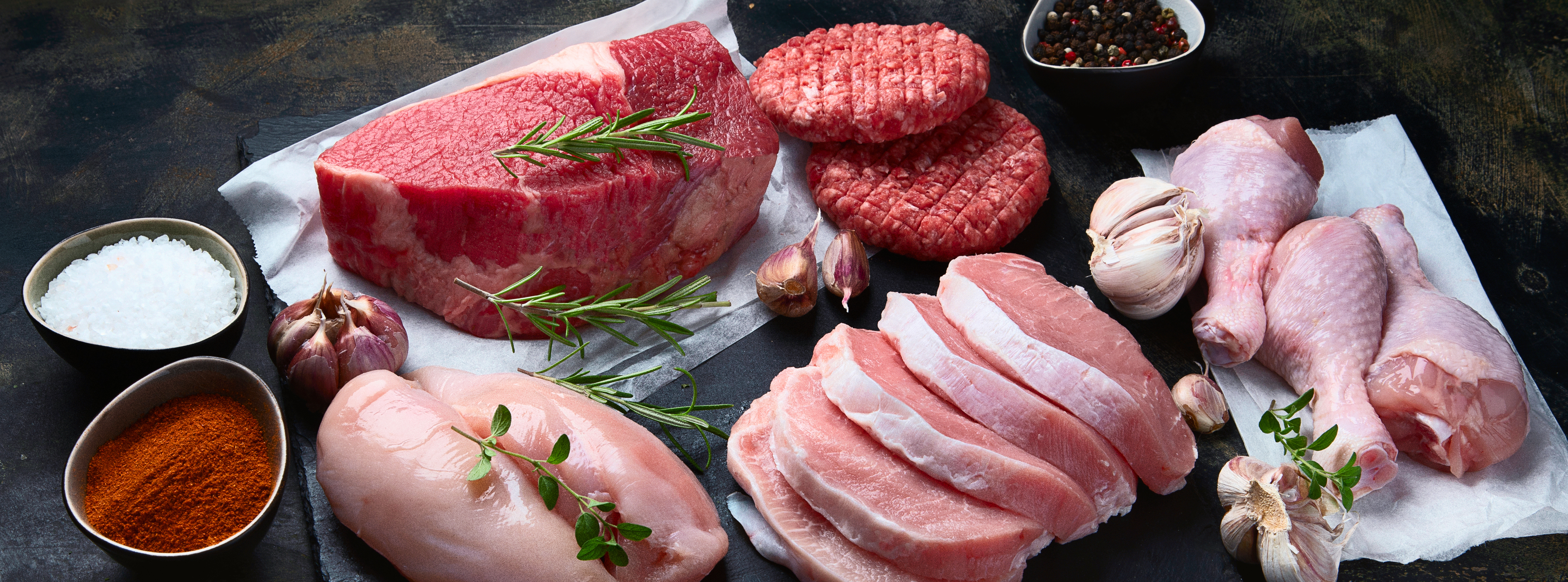
From food fraud investigations to export compliance failures, meat species identification has become an essential component of modern food safety and supply chain verification. For manufacturers, retailers, and regulators alike, accurate species verification helps prevent both intentional adulteration and unintentional cross species contamination during processing and distribution.

California Proposition 65 (Prop 65), the Safe Drinking Water and Toxic Enforcement Act of 1986, remains one of the most influential chemical disclosure regulations impacting food and dietary supplements in the U.S. While it is California law, many brands apply the requirements nationwide to ensure consistency and minimize risk.
As regulatory expectations increase and competition intensifies across categories, brands need a certification partner that supports both scientific rigor and commercial success. The Eurofins Assurance program is designed to meet this need by helping companies move beyond basic compliance toward strategic advantage.

For co-packers, efficiency is everything. Commercial manufacturing lines are designed to manufacture products—not develop them. Eurofins Product Development & Innovation (EPDI) serves as a development partner for co-packers by taking on the early-stage work before commercialization. Keep reading to learn the benefits of the EPDI's process.

Standard sugar analyses don’t always tell the full story, especially when isomaltose is present. Eurofins Food Chemistry Testing Madison, Inc. addresses this gap by measuring isomaltose as part of your product’s sugar profile. Why is this testing important? Keep reading to find out.
The company processes large batches of fish meat, often drying or further refining product on vessels that function as mobile processing facilities. Without rapid, on‑site testing, operators had limited visibility into moisture and composition changes occurring during production, especially while at sea. Learn how Eurofins approached this situation.

Acai (Euterpe oleracea) is widely used in dietary supplements and functional foods for its antioxidant-rich profile and its role in supporting healthy aging and overall wellness. As demand increases, so does the risk of adulteration. Learn how Eurofins can protect your product integrity and brand claims.

In today’s rapidly evolving infant nutrition landscape, manufacturers are under increasing pressure to deliver formulas that are both safe and nutritionally aligned with breast milk. One of the most important scientific tools supporting this effort is proteomics. Learn more about how Eurofins leading laboratory is ensuring product integrity, optimizing formulations, and confidently bringing new innovations to market.
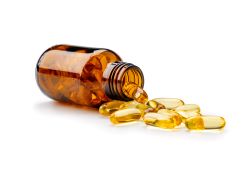
Understanding and effectively formulating lipids has become essential for today’s product developers. Whether replacing synthetic preservatives, selecting alternative oils, delivering specific health benefits, or exploring novel lipid technologies, each decision has impacts. Learn how Eurofins testing can help.
Let's Connect
We deliver quality in all of our work, providing accurate results on time.


